Married Clergy: Progressive or Ultra-Traditional?
On This Page
If a pope allows for married clergy, will it be a progressive or ultra-conservative move? Will the Pope be making a change or reverting to earlier practice?
The short answer: Catholic priests in the Latin (Roman) Rite are required to be unmarried, but Catholic priests in the twenty-two Eastern Catholic churches in full communion with Rome may be married, and the Latin discipline of mandatory clerical celibacy was only made universal at the First and Second Lateran Councils (1123 and 1139). Whether the Latin Church should restore married parish priests is the question this post weighs.
The road that led me to the Catholic Church was a long one, and it involved a significant amount of study of theology and church history.
As a new Catholic, I am hesitant to offer my views on what the Church or the pope should do about controversial issues. At the same time, however, my familiarity with church history while lacking a nostalgic attachment to a Catholicism of my youth leaves me unfazed by some of the hot-button modern issues.
Married Clergy
One such issue is that of married clergy. There was significant discussion, especially around the 2019 Amazon Synod, about whether Pope Francis would allow married priests in regions of severe priest shortages—a question he ultimately set aside in Querida Amazonia (2020).
This has caused consternation among some. Traditional Catholics are understandably wary of the introduction of any innovations into Church teaching or practice.
They see what became of mainline Protestant churches that fell headlong into theological liberalism as they repeatedly made little concessions to progressive ideology over the years.
Catholicism values tradition for a reason, and faith communities such as the Episcopal Church serve as a warning to what can happen when churches abandon such an attachment to tradition.
Married Clergy as an Innovation
Many identify married clergy with Protestant innovation, and Catholics fear the road down which this may lead.
There is some truth to this fear when the proposal for married clergy appears among other progressive wish-list items—such as the ordination of women or the acceptance of contraception—but by itself, the issue is more complex and nuanced.
Married Priests and Tradition
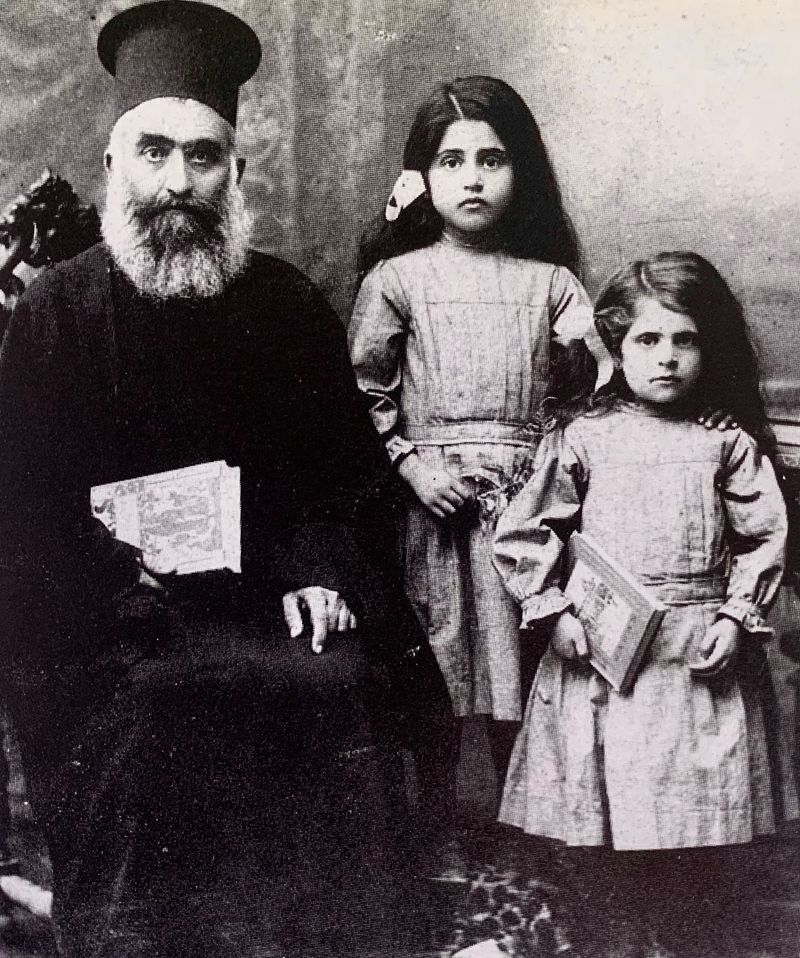
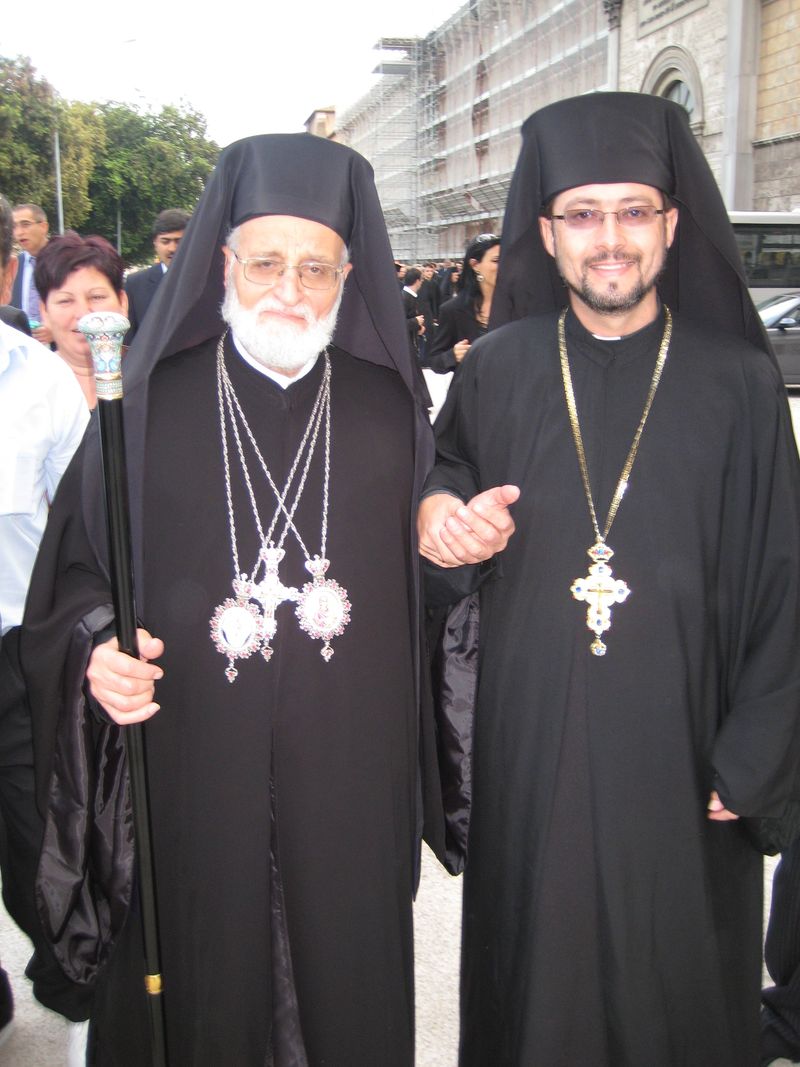
The other ancient churches—the Orthodox churches—allow married priests. In fact, the vast majority of the churches in communion with Rome also allow for married priests,2 and the Latin Rite itself allowed for married clergy for the first millennium of its existence.3 The list of popes includes several married men.4
The question then becomes, if a future pope were to allow married priests, would it be a progressive or ultra-conservative move? Would the pope be moving forward with a change to Church teaching or reverting to an earlier ecclesiastical practice?
Arguments can be made both ways, and I think that says a lot, particularly if the Church decides to allow married priests—drawn perhaps from the permanent diaconate—but not married bishops.
A strong argument could be made that such a move would mark an effort to bring the practice of the Latin Rite Catholic Church in line with the other churches in communion with Rome and with the Eastern Orthodox Church in an attempt to smooth the potential road to reconciliation with Constantinople.
Married Clergy Going Forward
I don’t know what the right answer is. As someone who became Catholic because of its strong attachment to tradition as a safeguard against the destructive cancer of progressivism, I would like to see a Church that maintains its value of celibacy while still providing a place for married parish priests.
In all things, however, I submit to the Church and the decision of the Holy Father. Whether a future pope decides to allow for married priests or not, I would not find either decision controversial. Both would be consistent with the ancient traditions of the Church, and either judgment would be worthy of admiration.
Frequently Asked Questions
Are Catholic priests allowed to be married?
It depends on which Catholic church. In the Latin (Roman) Rite, the universal rule since the twelfth century has been that priests are ordained from among unmarried men, with limited exceptions (most notably for former Anglican and Lutheran clergy who become Catholic, including those received through the Anglican Ordinariates). In the Eastern Catholic churches—the twenty-two sui iuris churches in full communion with Rome—ordaining married men to the priesthood is the normal, longstanding practice.
When did the Catholic Church require priests to be celibate?
Mandatory celibacy was imposed as universal Latin Church discipline at the First Lateran Council (1123), which forbade the marriages of higher clerics, and the Second Lateran Council (1139), which barred the ordination of married men. Earlier councils—such as Elvira (c. 305) and Carthage (390)—had urged continence on married clergy in particular regions, but a general law applying to the whole Latin Church only emerged in the twelfth century, more than a thousand years after the apostles.
Do Eastern Catholic priests have to be celibate?
No. In most Eastern Catholic churches, married men may be ordained to the priesthood, and a married priesthood has been the norm continuously from antiquity. As in the Eastern Orthodox churches, however, bishops are drawn only from celibate (typically monastic) clergy, and a man who is already ordained may not marry afterward. Rome briefly restricted married Eastern Catholic clergy in some Western jurisdictions in the early twentieth century; those restrictions were lifted by Pope Francis in 2014.
Were any popes married?
Yes. The Apostle Peter himself, traditionally identified as the first pope, had a wife (Matt 8:14–15; cf. 1 Cor 9:5). Among later popes, St. Hormisdas (r. 514–523) had been married before ordination—his son, Silverius, was also later elected pope—and Pope Adrian II (r. 867–872) was married, with his wife and daughter living at the Lateran during his pontificate. Several other early popes are recorded as having been married before they entered clerical life.
Did Pope Francis allow married priests?
No. The 2019 Amazon Synod recommended ordaining married “viri probati” (proven men, often permanent deacons) as priests in the Pan-Amazonian region to address an acute shortage of clergy. In his post-synodal exhortation Querida Amazonia (February 2020), Francis declined to authorize the change, instead urging more missionary vocations and a deeper involvement of laypeople, deacons, and women in pastoral leadership.
Could a future pope allow married priests in the Latin Church?
Yes—clerical celibacy in the Latin Church is a discipline, not a doctrine, and the Magisterium has consistently affirmed that the Church has the authority to modify it. Pope Benedict XVI made that point implicitly when he established the Anglican Ordinariates (2009) with provisions for already-married Anglican clergy to be ordained as Catholic priests. Whether any pope will further loosen the discipline for the Latin Rite is unknown, but it is well within the competence of the office.
Footnotes
1. Pope Francis, Querida Amazonia, post-synodal apostolic exhortation, 2 February 2020, esp. §§88–103. Francis explicitly declined the Amazon Synod’s recommendation to ordain married “viri probati” in the region. vatican.va.
2. The Catholic Church comprises 23 sui iuris particular churches: the Latin Church and 22 Eastern Catholic churches. Most of the Eastern churches—including the Maronite, Melkite Greek, Ukrainian Greek, Romanian Greek, Coptic, Syrian, Chaldean, and others—ordain married men to the priesthood as their ordinary practice. The single Eastern Catholic church that has historically followed Latin celibacy is the Syro-Malabar Church for some categories of clergy, though even there exceptions exist. See Code of Canons of the Eastern Churches (CCEO), can. 373–374, and the Annuario Pontificio.
3. Mandatory clerical celibacy was made universal Latin discipline at the First Lateran Council (1123), can. 7 (forbidding marriage of higher clerics), and the Second Lateran Council (1139), can. 6–7 (declaring such marriages invalid and forbidding ordination of married men). Local councils—Elvira (c. 305) and Carthage (390)—had earlier urged continence on married clergy in particular regions, but a general law applying to the whole Latin Church appeared only in the twelfth century. See Norman P. Tanner, ed., Decrees of the Ecumenical Councils (Sheed & Ward / Georgetown University Press, 1990), 1:191, 198.
4. St. Peter is depicted as married in Matt 8:14–15 and 1 Cor 9:5. Later married popes include Pope St. Hormisdas (r. 514–523), whose son Silverius was elected pope in 536, and Pope Adrian II (r. 867–872), whose wife Stephania and daughter resided at the Lateran during his pontificate. See J. N. D. Kelly and Michael Walsh, A Dictionary of Popes, 2nd ed. (Oxford University Press, 2010), s.vv. “Hormisdas” and “Adrian II.”

Garrett Ham
Garrett Ham is an attorney, military veteran, and holds a Master of Divinity from Yale Divinity School. He writes from Northwest Arkansas on theology, law, and service.
Related Posts
Married Priests and De-Innovating the Catholic Church
Married priests are a de-innovation, not an innovation. Explore why the celibacy requirement is a late tradition, how the Orthodox example informs Catholic practice, and what traditionalists fear.
Eastern Orthodoxy Explained
What is Hellenistic Christianity? A complete guide to Eastern Orthodox theology, theosis, liturgy, sacraments, and the Church's ancient roots in Christian Hellenism.
Why Did the Orthodox and Catholic Churches Split?
The Great Schism of 1054 divided Christianity into East and West. Explore the theological, political, and cultural causes — from the Filioque to papal authority — and why the split endures.
Stay Informed
Get new writing on faith, law, and service delivered to your inbox.
No spam. Unsubscribe anytime.