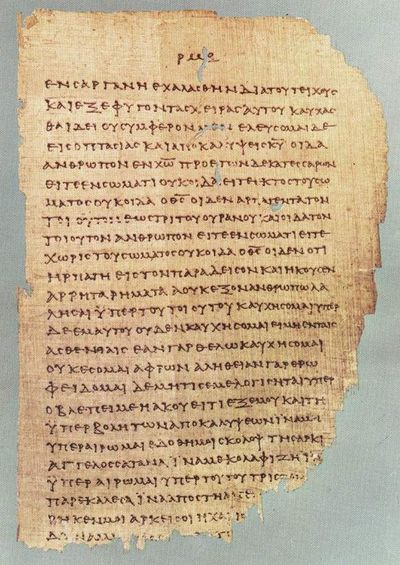
The Epistle to the Hebrews — Authorship, Canon, and the New Testament's Greatest Sermon
Hebrews—anonymous, disputed, indispensable. Its three-century canonical battle and the theology that shaped Catholic worship.
· 30 min read
How 27 books survived the ancient gauntlet of canonization—and the texts that almost made the cut.
The New Testament canon was not decreed into existence by a single council. It crystallized over roughly three centuries of liturgical use, theological debate, and regional disagreement—and it was not until 367 AD, in Athanasius of Alexandria’s 39th Festal Letter, that any surviving document named the exact 27 books we recognize today.
Hebrews—anonymous, disputed, indispensable. Its three-century canonical battle and the theology that shaped Catholic worship.
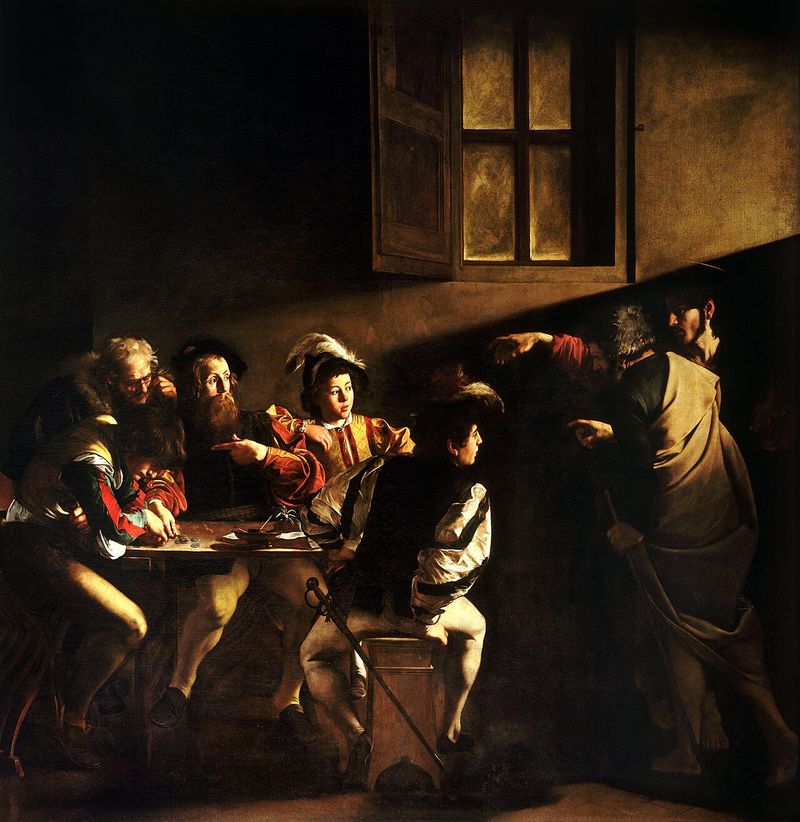
Few books shaped early Christianity as deeply as Matthew. Explore its authorship debates, composition, theology, and canonical status.
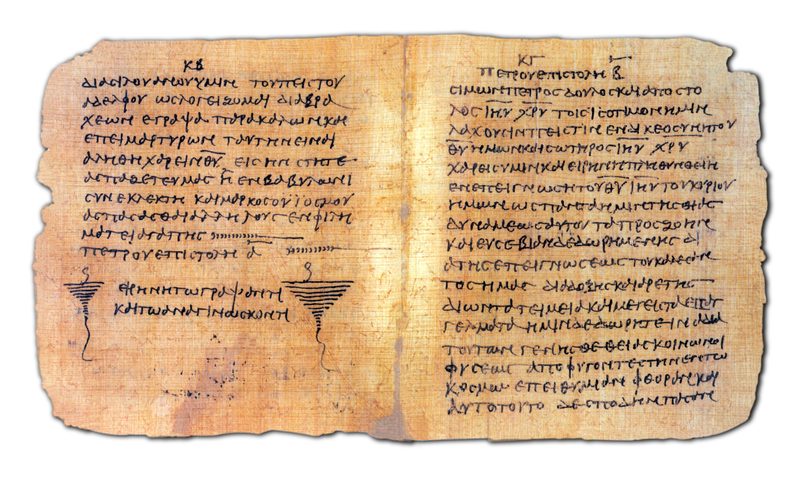
Few New Testament books faced more persistent doubt than 2 Peter. Its disputed authorship, weak patristic attestation, and long road to the canon.
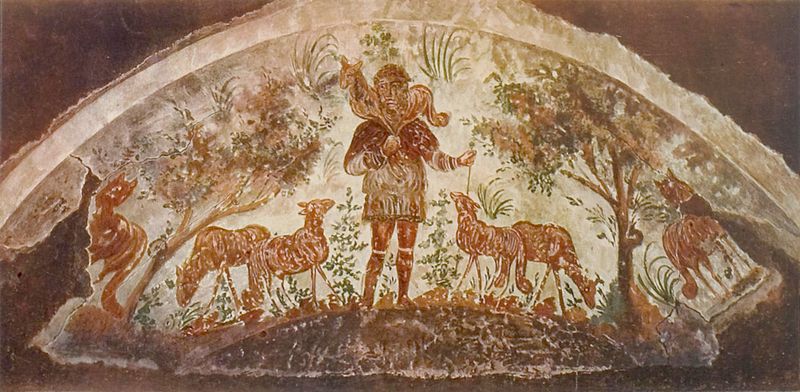
The most popular Christian text you've never heard of — and how the Church discerned that the Shepherd of Hermas belonged to Tradition, not Scripture.

The shortest Gospel was tied to Peter from the earliest testimony, yet read least in antiquity. A Catholic examines Mark's authorship, abrupt ending, and path to the canon.

The one New Testament book a Reformer tried to demote. A Catholic on the Epistle of James—its disputed road to the canon, its authorship, and the faith-versus-works fight.

The earliest Christian tour of heaven and hell was nearly canonized — read in church, defended by Clement of Alexandria. Why the Apocalypse of Peter was left out.

Jude runs twenty-five verses, quotes two books outside the canon, and nearly did not make the cut. A Catholic reads its authorship, its apocrypha, and its road to Scripture.

The First Letter of Peter is the one catholic epistle the early Church never doubted. A Catholic reads its author, its ‘Babylon,’ its theology of suffering, and the riddle of the spirits in prison.

The Second Letter of John runs thirteen verses, signs itself only ‘the Presbyter,’ and tells a church to shut its door on false teachers. A Catholic reads its author, its ‘chosen Lady,’ and its long road into the canon.

A Catholic on the Book of Romans — the one letter no critic could deny, the most tangled text in the New Testament, and why it stands first among Paul's letters.

The Gospel of the Hebrews survives only in scraps quoted by the Fathers — the risen Christ appearing to James, the Holy Spirit called his mother. A Catholic reads the fragments and asks why it never entered the New Testament.

Luke, the Gentile physician and companion of Paul, wrote the longest Gospel — and the one Marcion tried to hijack. A Catholic examines its authorship, sources, theology, and path to the canon.

1 Thessalonians is most likely the oldest surviving Christian writing. A Catholic examines its date, the parousia, the misread “rapture,” and its path into the New Testament canon.

Luke's second volume tells how the Church went from an upper room in Jerusalem to the heart of Rome. A Catholic examines the authorship, the 'we' passages, the historicity debates, and the path of Acts to the canon.

A Catholic reading of Revelation: who wrote it and when, why the Christian East nearly rejected it, and the four ways Christians have read its visions.

The Third Letter of John is the shortest book in the Bible, never names Jesus, and records a real first-century church quarrel over hospitality. A Catholic reads Gaius, Diotrephes, and its long road into the canon.

A presbyter in Asia forged the Acts of Paul 'out of love for Paul'—and was deposed for it. How the book gave the Church Thecla, the baptized lion, and 3 Corinthians, and why it was still left out of the canon.

John's is the highest Christology in the New Testament — the Gospel the Gnostics loved and a few of the orthodox feared. A Catholic examines its authorship, the Alogi, and its path to the canon.

A Catholic on 1 Corinthians — the quarrelsome church whose letter preserves the oldest creed and the earliest Eucharist in the New Testament, and its road into the canon.

A Catholic on 2 Corinthians — Paul's most personal letter, its power-in-weakness gospel, and the integrity debate behind a book the Church never doubted.

Galatians was never doubted—yet Marcion put it first, the church fought over it, and Luther called it his own. A Catholic reads its road through the canon.

Paul never saw Colossae and an earthquake soon wrecked it—yet its letter was never doubted, and it spawned a forged 'Laodiceans' that haunted the Bible for centuries.

Ephesians was never doubted—yet its address may be a blank, Marcion called it 'Laodiceans,' and modern critics doubt Paul. A Catholic reads its road through the canon.

Philippians was never doubted—yet Polycarp spoke of 'letters,' critics cut it in three, and its hymn built Christology. A Catholic reads its road through the canon.

2 Thessalonians warns against a forged letter — and is itself one of Paul's disputed letters. A Catholic look at the man of lawlessness and the restrainer.

1 Timothy built the Church's offices — bishops, deacons, the pillar of truth. A Catholic look at church order, the authorship debate, and its road to canon.

2 Timothy is Paul's farewell: 'all Scripture is inspired,' guard the deposit, the good fight. A Catholic look at inspiration, authorship, and the road to canon.

The Letter to Titus: church order on Crete, 'our great God and savior,' the bath of rebirth. A Catholic look at grace, authorship, and its road to canon.

The First Letter of John gives us “God is love,” the antichrists, and the Bible’s most famous fake verse. A Catholic reads 1 John and its road into the canon.

The Letter to Philemon: Paul, the runaway slave Onesimus, and 'no longer a slave but a brother.' A Catholic look at slavery, Paul's shortest letter, and canon.

1 Clement was read as Scripture at Corinth and bound into Codex Alexandrinus. How the letter came so close to the New Testament, and why the Church left it out.

Quoted as Scripture in Alexandria and bound into Codex Sinaiticus, the Epistle of Barnabas bore an apostle's name—yet the New Testament closed without it. Why.

The Didache may be older than the last books of the New Testament, yet no Bible ever carried it. What the earliest church order says, and why it was left out.
Each entry is a standalone essay on authorship, purpose, and canonization. Books are ranked by degree of opposition—from the twenty never seriously questioned to the four that nearly didn’t survive the cut.
Eusebius placed these among the homologoumena (“acknowledged”) in Ecclesiastical History 3.25 (c. 325), a larger category that also included Hebrews and (conditionally) Revelation. The twenty books listed here faced essentially no serious doubt.
Disputed in certain regions or by certain fathers, but with enough widespread support that their inclusion was never deeply imperiled.
Major voices argued against their inclusion. Their canonical status remained genuinely contested well into the 4th century or later.
Appeared in canonical lists, treated as scripture by major fathers, or physically included in the great 4th–5th century codices alongside canonical books.
Treated as canonical or near-canonical in specific regional traditions but never achieved broader acceptance across the Christian world.
Circulated broadly for devotional or instructional use and were occasionally cited as authoritative, but never serious contenders in most regions.
Get new writing on faith, law, and service delivered to your inbox.
No spam. Unsubscribe anytime.